
Elephant Corridors in Kenya
How strategic land conservation has restored vital elephant migration corridors between national parks in Kenya
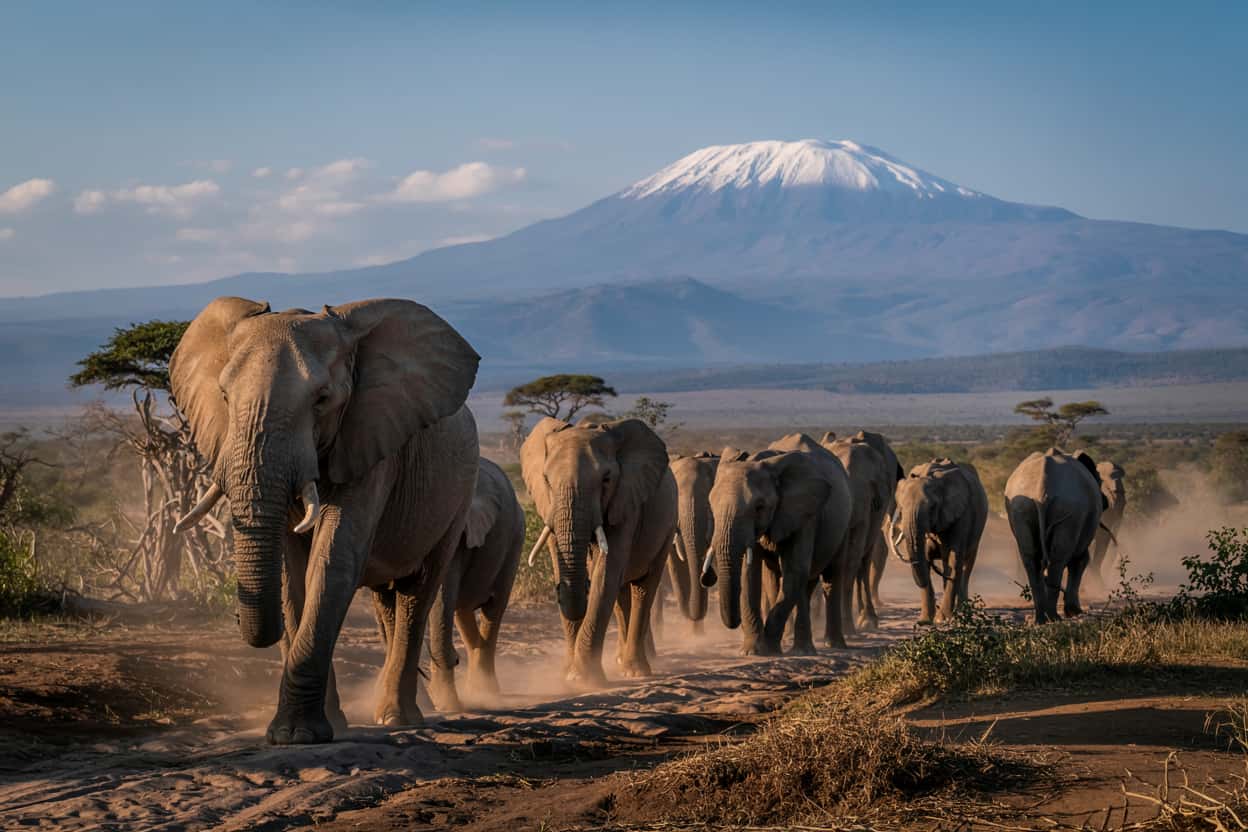
Reconnecting Fragmented Habitats
For centuries, elephants traversed vast territories across Kenya, following ancient migration routes in search of food, water, and mates. Human development gradually severed these natural pathways, isolating elephant populations and escalating human-wildlife conflict.
Today, through innovative conservation initiatives, Kenya is pioneering the restoration of these vital corridors, allowing elephants to once again move freely between protected areas while reducing conflict with local communities.
Understanding Elephant Corridors
Elephant corridors are stretches of land that connect larger habitat areas, allowing these wide-ranging animals to move between protected areas. These pathways are essential for several reasons:
- Genetic exchange between otherwise isolated populations
- Access to seasonal resources like water and food during different times of year
- Natural dispersal of young elephants to prevent overpopulation in protected areas
- Climate change adaptation, allowing elephants to respond to shifting resource patterns
Elephants are considered a keystone species because they physically modify habitats in ways that benefit many other species. Their movements disperse seeds, create water access points, and maintain open grasslands that support diverse wildlife. When elephants can't move freely, entire ecosystems suffer.
The Amboseli-Tsavo Ecosystem: A Critical Connection
One of the most important elephant landscapes in Kenya is the Amboseli-Tsavo ecosystem, which includes:
- Amboseli National Park, famous for its large elephant population and views of Mount Kilimanjaro
- Tsavo East and West National Parks, comprising one of Africa's largest protected areas
- Chyulu Hills National Park, an important water catchment area
- Community lands and private ranches that lie between these protected areas
This ecosystem supports over 1,600 elephants and represents one of Kenya's conservation crown jewels. However, by the early 2000s, traditional migration routes between these parks had been severely compromised by:
- Agricultural expansion and settlement
- Fencing of private lands
- Infrastructure development including roads and railways
- Human-wildlife conflict resulting in elephant deaths
"For elephants to thrive, they need space to roam. We haven't just been protecting elephants; we've been protecting and restoring their right to movement."
— Dr. Iain Douglas-Hamilton, Founder of Save the Elephants
The Kilimanjaro Heartland Initiative
Recognizing the critical importance of maintaining connectivity in this landscape, the African Wildlife Foundation (AWF) launched the Kilimanjaro Heartland initiative in the late 1990s. This pioneering program worked to:
- Identify traditional elephant migration routes through tracking studies
- Engage local communities in conservation planning
- Develop land-use practices compatible with wildlife movement
- Create economic benefits from conservation through tourism
The cornerstone achievement was the establishment of the Kimana Sanctuary and Wildlife Corridor, a critical eight-kilometer strip of land connecting Amboseli National Park to the wider ecosystem. This narrow passage became Kenya's first formally protected wildlife corridor.
Did You Know?
Researchers have documented that elephants will travel up to 50 miles in a single day when moving through corridors, and their migration routes are often passed down through generations, with matriarchs teaching younger elephants these ancient pathways.
Innovative Conservation Models
Kenya's corridor conservation success has relied on several innovative approaches:
1. Conservancies and Easements
Rather than attempting to purchase all corridor lands outright (which would be prohibitively expensive and socially disruptive), conservation organizations have pioneered less intrusive models:
- Wildlife conservancies: Community-owned lands managed for both sustainable livestock grazing and wildlife conservation
- Conservation easements: Legal agreements where landowners maintain ownership but commit to limitations on development in exchange for financial incentives
- Land leases: Arrangements where conservation organizations pay annual fees to landowners who agree to keep corridors open for wildlife
The Amboseli Ecosystem Trust has been instrumental in establishing such agreements across the region. By 2021, over 150,000 acres of critical corridor and dispersal areas had been secured through these methods.
2. Community Benefits
Successful corridor conservation depends on ensuring local communities benefit from protecting elephant passage:
- Tourism revenue sharing from both national parks and private conservancies
- Employment opportunities as rangers, guides, and in hospitality
- Educational scholarships funded by conservation organizations
- Sustainable grazing programs that allow compatible livestock management
The Big Life Foundation, which operates in the Amboseli-Tsavo ecosystem, employs hundreds of local Maasai as rangers who protect both wildlife and community interests, creating a powerful incentive for conservation.
3. Conflict Mitigation
Human-elephant conflict has historically been one of the greatest threats to corridor conservation. Innovative solutions include:
- Beehive fences: Stringing beehives along farm boundaries deters elephants (who fear bees) while providing honey income
- Predator-proof bomas: Reinforced livestock enclosures that protect against lions and other predators
- Early warning systems: Using tracking data to alert communities when elephants are approaching
- Rapid response teams: Mobile units that help safely shepherd elephants through conflict zones
Through these techniques, communities that once viewed elephants primarily as dangerous pests increasingly see them as valuable assets worth protecting.
"When I was growing up, we saw elephants as enemies that destroyed our crops. Now we understand they bring tourists who support our schools and clinics. We've learned to live together."
— Daniel Leturesh, Chairman of the Olgulului-Ololarashi Group Ranch
The Kitenden Corridor: A Conservation Triumph
In 2013, after years of negotiation, a major victory was achieved with the protection of the Kitenden Corridor, a crucial 26,000-acre land bridge connecting Amboseli National Park to forest habitats in Tanzania. This remarkable achievement:
- Secured a 5-kilometer-wide pathway through community lands
- Incorporated sustainable grazing plans for Maasai livestock
- Established community tourism enterprises that benefit directly from elephant conservation
- Created a cross-border link with Tanzania's conservation areas
Satellite tracking data showed that elephants immediately began using the protected corridor more frequently after conservation measures were implemented, with movement patterns suggesting they perceived increased safety in the area.
The Mount Kenya Elephant Corridor
Another remarkable success story comes from central Kenya, where the Mount Kenya Elephant Corridor was established in 2010. This 28-kilometer-long, 400-meter-wide passage connects the Mount Kenya Forest Reserve with the Ngare Ndare Forest, linking to the northern rangelands beyond.
What makes this corridor unique is that it runs through private agricultural land, requiring extraordinary cooperation between:
- The Mount Kenya Trust
- The Kenya Wildlife Service
- The International Fund for Animal Welfare
- Private landowners including commercial farms
A series of underpasses built beneath the busy Nanyuki-Meru highway allows elephants to safely traverse the corridor without creating traffic hazards. Within the first year of operation, over 2,000 elephant crossings were recorded through the corridor, demonstrating its immediate success.
Measuring Success
The impact of Kenya's elephant corridor initiatives has been dramatic:
- Elephant population recovery: Kenya's elephant numbers have increased from approximately 16,000 in 1989 to over 36,000 today
- Reduced mortality: Elephant deaths from human-wildlife conflict have declined by over 60% in areas with active corridor management
- Improved genetic exchange: DNA studies show increased genetic diversity in previously isolated populations
- Enhanced ecosystem health: Areas with restored elephant movements show improved vegetation diversity and water availability
- Economic benefits: Communities participating in corridor conservation report increased income from tourism and conservation jobs
These outcomes represent one of Africa's great conservation success stories, showing how landscape-level planning and community engagement can reverse decades of habitat fragmentation.
Ongoing Challenges
Despite these successes, corridor conservation faces continuing challenges:
- Population growth: Kenya's human population continues to increase, putting pressure on undeveloped lands
- Infrastructure development: New roads, railways, and power lines threaten to bisect corridors
- Climate change: Increasing drought frequency stresses both wildlife and human communities
- Funding sustainability: Maintaining corridor agreements requires long-term financial commitments
Addressing these challenges requires ongoing innovation and adaptation of conservation strategies.
The Future of Corridor Conservation
Building on their success, Kenyan conservationists are now:
- Developing more formal legal protections for wildlife corridors in national law
- Integrating corridor planning into county-level land use policies
- Creating ecosystem-wide management plans that cross administrative boundaries
- Expanding innovative financing mechanisms like carbon credits to support corridor conservation
The Kenyan experience offers valuable lessons for elephant conservation across Africa, demonstrating that with creative approaches and strong local partnerships, coexistence between elephants and people is possible even in increasingly crowded landscapes.
How You Can Help
Visitors to Kenya can support elephant corridor conservation through:
- Responsible tourism: Choosing to stay at lodges and conservancies that actively support corridor conservation
- Conservation contributions: Donating to organizations working to secure and manage corridors
- Awareness raising: Sharing the importance of landscape connectivity for elephant conservation
- Supporting community products: Purchasing handicrafts and products from communities engaged in conservation
By maintaining and expanding these vital lifelines, Kenya is ensuring that future generations will continue to witness the majestic sight of elephants moving freely across the landscape as they have done for millennia.
Key Organizations Working on Elephant Corridors in Kenya
- African Wildlife Foundation
- Amboseli Ecosystem Trust
- Big Life Foundation
- Kenya Wildlife Service
- Mount Kenya Trust
- Save the Elephants
- Space for Giants