
East Africa Safari Destinations
Experience the iconic savannahs, mountain gorillas, and the Great Migration in Kenya, Tanzania, Uganda, and Rwanda.
Discover East Africa
East Africa represents the quintessential safari destination—a land of sweeping savannah plains, snow-capped mountains, dense rainforests, and incredible wildlife spectacles. This diverse region encompasses Kenya, Tanzania, Uganda, and Rwanda, each offering distinctive experiences while sharing the remarkable landscapes and wildlife that make East Africa legendary among safari enthusiasts.
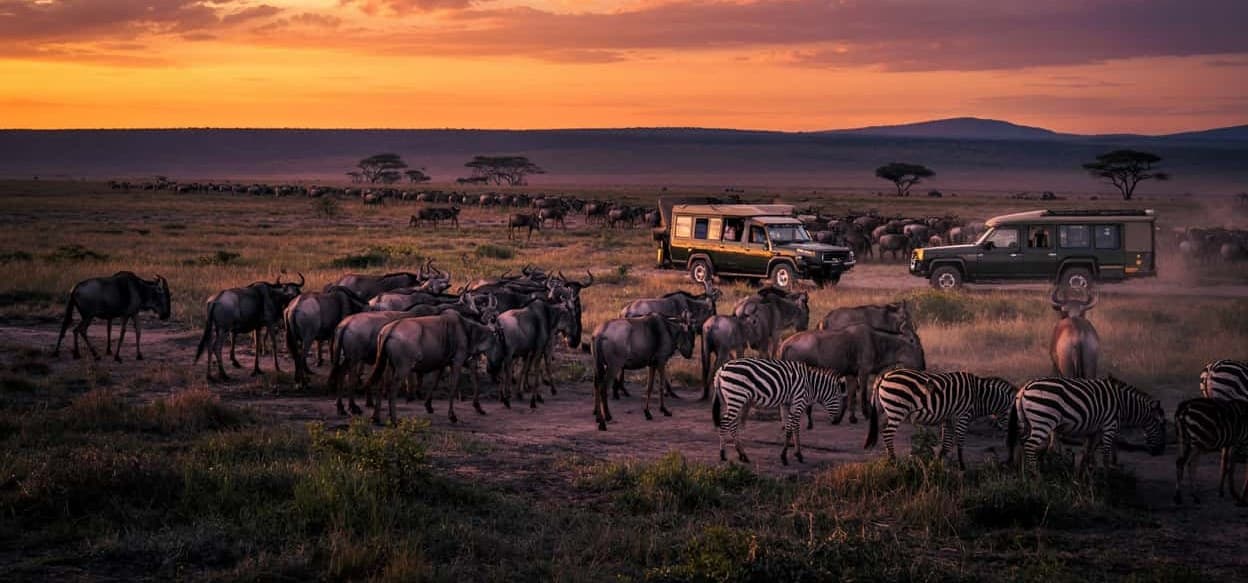
The region's crown jewel is undoubtedly the Great Migration—the annual movement of over 1.5 million wildebeest and hundreds of thousands of zebra and gazelle between Tanzania's Serengeti and Kenya's Masai Mara in a constant search for fresh grazing. This natural spectacle, with its dramatic river crossings and attendant predator action, ranks among the world's most awe-inspiring wildlife events.
Beyond the migration, East Africa offers extraordinary diversity: track endangered mountain gorillas in the misty forests of Uganda and Rwanda, witness the snow-capped peak of Kilimanjaro rising above Amboseli's elephant herds, explore the wildlife-packed caldera of Ngorongoro Crater, or experience authentic cultural encounters with the Maasai, Samburu, and other traditional communities who maintain ancient ways of life in a modern world.
Iconic Destinations
Masai Mara National Reserve
Renowned worldwide for the Great Migration and exceptional big cat sightings, the Masai Mara offers classic safari landscapes and unmatched wildlife encounters. This iconic reserve shares an ecosystem with Tanzania's Serengeti and provides some of Africa's most spectacular game viewing opportunities year-round. The local Maasai communities add a rich cultural dimension to any visit.
Serengeti National Park
Tanzania's crown jewel, the Serengeti spans 14,750 square kilometers of pristine wilderness and hosts the largest terrestrial mammal migration on Earth. The endless plains (which give the park its name in Maasai language) support over 2 million wildebeest, zebra, and gazelle, along with the predators that follow them. Different regions offer unique experiences, from the kopjes of the central Seronera to the remote northern reaches.
Ngorongoro Crater
This UNESCO World Heritage site is the world's largest intact volcanic caldera, forming a natural enclosure for approximately 25,000 animals. The 600-meter deep crater spans 260 square kilometers and contains a remarkable concentration of wildlife, including one of Africa's highest densities of lions and endangered black rhinos. The crater's unique ecology creates a microcosm of East African habitats including plains, forest, and lake ecosystems.
Bwindi Impenetrable Forest
Home to nearly half of the world's remaining mountain gorillas, this ancient rainforest is one of Africa's most biologically diverse areas. The challenging terrain that gives the forest its name harbors over 120 mammal species, 350 bird species, and 220 butterfly species. Gorilla trekking here offers a profound wildlife encounter that ranks among the most moving experiences in nature travel.
Amboseli National Park
Offering the iconic postcard view of elephants against the backdrop of Mount Kilimanjaro, Amboseli delivers one of Africa's most memorable visual experiences. The park's mix of dried lake bed, wetlands, and savannah supports large elephant herds with some of the largest tuskers remaining in Africa. The clear mountain views and excellent wildlife density make it a photographer's paradise.
Volcanoes National Park
Part of the greater Virunga Conservation Area spanning Rwanda, Uganda, and Congo, this park protects the Rwandan portion of the Virunga Mountains. Beyond its famous mountain gorillas, the park offers treks to see golden monkeys, climbs of the volcanic peaks, and the legacy of Dian Fossey's groundbreaking conservation work. Rwanda's remarkable conservation success story is evident in the careful management and community integration of this precious ecosystem.
Iconic Wildlife

African Lion
The iconic big cats of East Africa's savannahs, with particularly strong populations in the Serengeti-Mara ecosystem. Some prides have been studied for generations, providing incredible insights into their complex social structures.
African Elephant
East Africa's elephants roam in family herds led by matriarchs, with exceptional viewing in Amboseli, Tarangire, and parts of the Serengeti. Some of Africa's last remaining 'tuskers' with enormous ivory can still be found in the region.

Mountain Gorilla
These gentle giants share 98% of human DNA and are found only in the Virunga Mountains and Uganda's Bwindi Forest. Conservation efforts have brought them back from the brink of extinction, with populations now slowly increasing.
Wildebeest
The architects of the Great Migration, with 1.5 million animals moving in a constant cycle through the Serengeti-Mara ecosystem. Their river crossings represent one of nature's most dramatic spectacles.

Cheetah
The world's fastest land mammal thrives on the open plains of the Serengeti and Mara, where their incredible high-speed hunts can be observed. Their population faces pressures from habitat loss and competition with other predators.
Black Rhino
Critically endangered, these prehistoric-looking browsers are making a comeback in protected sanctuaries across East Africa. Conservation success stories in Kenya and Tanzania provide hope for this iconic species.
East African Countries

Kenya
The birthplace of the modern safari, Kenya offers incredible diversity from the iconic Masai Mara to the arid northern frontier. Combining exceptional wildlife viewing with established tourism infrastructure and authentic cultural experiences, Kenya remains the ideal introduction to African safaris. Its conservation model of community conservancies is revolutionizing wildlife protection across the continent.

Tanzania
Home to the Serengeti, Ngorongoro Crater, and Mount Kilimanjaro, Tanzania boasts unmatched natural wonders and wildlife spectacles. The country's vast protected areas harbor enormous wildlife populations, while the Zanzibar archipelago offers perfect beach extensions. Tanzania's safari circuits can be combined for comprehensive experiences or visited individually for focused adventures.

Uganda
Known as the 'Pearl of Africa', Uganda combines primate tracking with traditional safaris and stunning landscapes. Offering both mountain gorillas and chimpanzees alongside savannah game viewing, Uganda delivers remarkably diverse experiences within a compact geography. The country's rich biodiversity includes over 1,000 bird species, making it a birder's paradise.

Rwanda
The 'Land of a Thousand Hills' has transformed into a premium wildlife destination focused on sustainable luxury experiences. Beyond its exceptional gorilla trekking, Rwanda offers chimpanzee tracking, savannah safaris in Akagera National Park, and vibrant cultural experiences. The country's remarkable recovery and forward-thinking conservation policies make it an inspiring destination.
When to Visit East Africa
Dry Season
June to October
Warm days (20-30°C), cool nights (10-15°C), minimal rainfall
Wildlife Viewing
Peak wildlife viewing with animals concentrated around water sources. Great Migration river crossings in July-September.
Tourism
High season with premium prices and advance booking essential for popular properties
Pros
- ✓ Exceptional Wildlife Viewing
- ✓ Great Migration River Crossings
- ✓ Comfortable Temperatures
- ✓ Minimal Mosquitoes
Cons
- ✗ Premium pricing (30-50% higher than green season)
- ✗ Popular sightings can become crowded
- ✗ Dusty conditions, especially late in the season
- ✗ Limited availability at top properties without advance booking
Short Rains
November to December
Warm days (23-28°C), afternoon thundershowers, refreshed landscapes
Wildlife Viewing
Excellent wildlife viewing, beginning of calving season in southern Serengeti, migratory birds arrive
Tourism
Shoulder season with better availability and value pricing
Pros
- ✓ Lush Green Landscapes
- ✓ Dramatic Photography with Storm Clouds
- ✓ Newborn Wildlife
- ✓ Excellent Bird Watching
Cons
- ✗ Afternoon thunderstorms may interrupt activities
- ✗ Some secondary roads become temporarily impassable
- ✗ Higher humidity levels than dry season
- ✗ Some mobile camps relocate during this period
Green Season
January to February
Warm days (25-30°C), short dry interval between rain seasons
Wildlife Viewing
Calving season in southern Serengeti (500,000+ wildebeest born), peak bird watching, predator activity
Tourism
Lower visitor numbers with excellent value opportunities
Pros
- ✓ Calving Season Spectacle
- ✓ Superb Bird Watching (400+ migratory species)
- ✓ Photographers' Paradise
- ✓ Value Pricing (up to 40% lower than peak)
Cons
- ✗ Taller grasses can sometimes obscure wildlife viewing
- ✗ Heat and humidity higher than during dry season
- ✗ Occasional heavy downpours between dry periods
- ✗ Some remote areas remain inaccessible
Long Rains
March to May
Moderate to heavy rainfall, high humidity, overcast days
Wildlife Viewing
Challenging viewing in some areas, but stunning landscapes and unique photography opportunities
Tourism
Low season with lowest prices and maximum availability
Pros
- ✓ Maximum Value (40-60% discounts possible)
- ✓ Virtually No Crowds
- ✓ Lush Emerald Landscapes
- ✓ Unique Wildlife Behaviors
Cons
- ✗ Regular heavy rainfall can disrupt activities
- ✗ Many seasonal camps and some lodges close for maintenance
- ✗ Difficult road conditions in more remote areas
- ✗ Reduced visibility in areas with tall vegetation
East Africa Travel Tips
Safari Essentials
- • Pack neutral-colored clothing (beige, khaki, olive)
- • Bring lightweight, breathable fabrics
- • Include a warm layer for cool mornings
- • Quality binoculars enhance wildlife viewing
- • Dust-proof camera bag for equipment protection
Photography Tips
- • Bring a versatile zoom lens (70-300mm minimum)
- • Golden hours provide the best lighting
- • Pack extra batteries and memory cards
- • Consider a beanbag for vehicle stability
- • Ask permission before photographing local people
Trip Planning
- • Book peak season safaris 6-12 months in advance
- • Gorilla permits sell out months ahead
- • Consider combining countries for diverse experiences
- • Allow at least 7-10 days for a meaningful safari
- • Build in rest days between long safari drives
Budget Considerations
- • Most lodges are all-inclusive with activities
- • Green season offers significant discounts (30-40%)
- • Budget $150-800 per person/day for accommodations
- • Factor in park fees ($50-150 per day)
- • Gorilla permits cost $700-1,500 per trek
Ready to Explore East Africa?
Discover our curated selection of tours, accommodations, and safari experiences across Kenya, Tanzania, Uganda, and Rwanda. Whether you're drawn to the Great Migration, mountain gorillas, or simply the classic safari experience, we have options to match your dream adventure.
More on East Africa
Where we'd send you in East Africa
- Linkwasha CampLinkwasha-Makalolo Private Wilderness Area, eastern Hwange National Park, Zimbabwe
- Somalisa CampAcacia Grove, central Hwange National Park, Zimbabwe
- Camelthorn LodgeTsholotsho Communal Area / Rhino Sanctuary, southeastern Hwange edge, Zimbabwe
- The HidePrivate concession within Hwange National Park, Zimbabwe