
Rhino Conservation Success Stories in Zimbabwe
How community involvement, dedicated rangers, and private sanctuaries are helping rhino populations recover across Zimbabwe
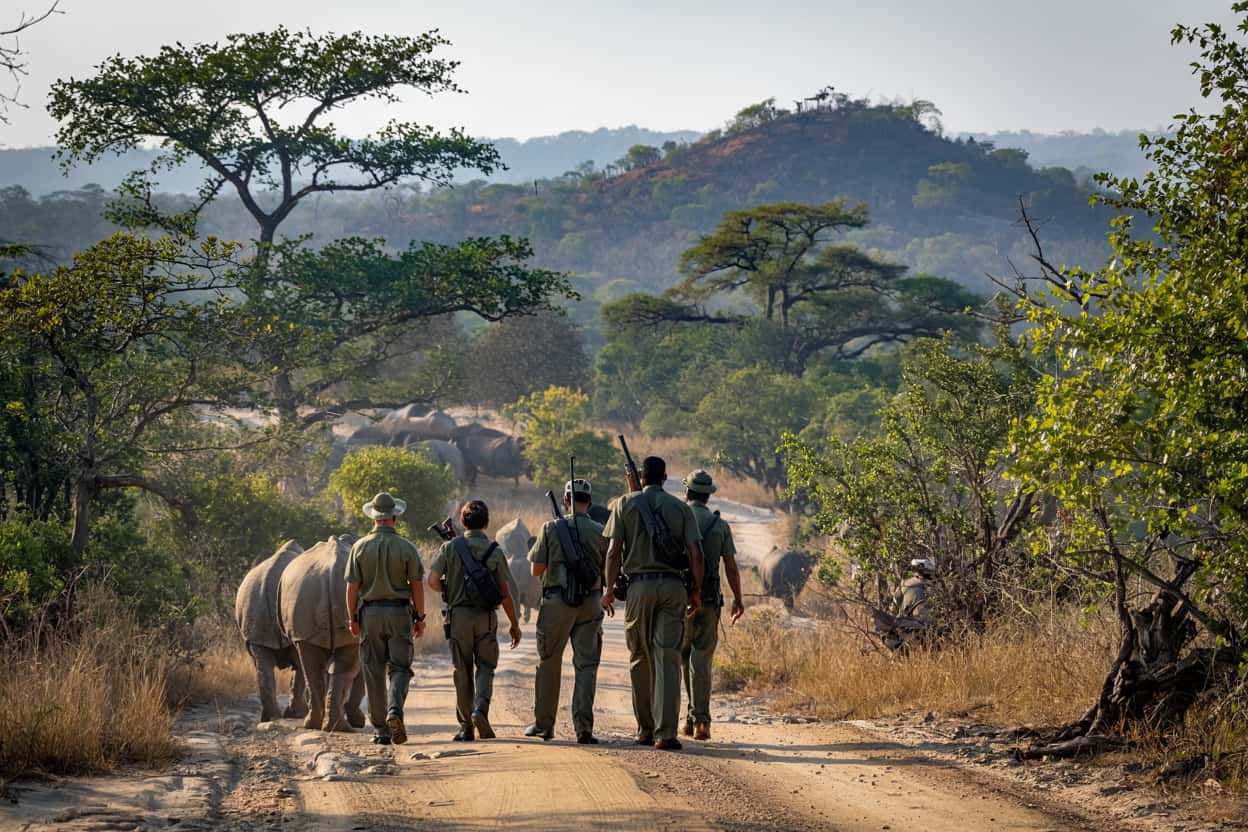
A Remarkable Recovery
Zimbabwe holds the fourth-largest rhino population in Africa, with approximately 1,000 rhinos - 616 black rhinos and 417 white rhinos. Through innovative conservation techniques, dedicated anti-poaching efforts, and community involvement, several regions have seen remarkable rhino population growth despite the challenges.
These success stories offer hope for the future of these magnificent creatures that once faced near extinction in the country.
The Malilangwe Success Story
The Malilangwe Wildlife Reserve, a 50,000-hectare private nature sanctuary in south-eastern Zimbabwe, stands as one of Africa's most successful rhino conservation stories. What began as a modest effort with just a few dozen rhinos in 1998 has blossomed into a remarkable achievement:
- The black rhino population has increased by more than 600%
- The white rhino population has grown by an astonishing 900%
- Over 400 rhinos now roam the park
These impressive numbers have been achieved even as poaching decimated rhino populations elsewhere across Africa. The sanctuary has become so successful that it now faces a new challenge - it's approaching capacity for the number of rhinos it can sustain. Like a modern-day Noah's Ark, Malilangwe is now repopulating other regions of Zimbabwe, returning rhinos to natural habitats where they haven't been seen for decades.
"Protecting rhinos is difficult, it costs a lot of money. It takes experience. It takes a lot of time, it takes a lot of patience and energy."
— Mark Saunders, Executive Director, Malilangwe Trust
Advanced Conservation Techniques
Malilangwe's success can be attributed to its comprehensive approach to conservation. Their methods include:
- GPS tracking of individual rhinos to monitor their movements and habits
- Ear notching to identify each rhino with a unique code
- DNA and blood sampling to maintain genetic records and monitor health
- Intensive monitoring and protection programs funded by private donors and tourism
Ecologists at Malilangwe have discovered that black rhinos, often thought of as solitary and ill-tempered creatures, actually maintain close family bonds. Some bulls as old as eight years have been observed visiting their mothers. This understanding of rhino social dynamics has been crucial for successful translocation efforts.
Did You Know?
Rhino horns are made of keratin - the same material as human fingernails and hair. The horns grow back if removed properly, which is why some conservationists advocate for dehorning rhinos to make them less attractive to poachers.
Gonarezhou National Park: Rhinos Return After 30 Years
In May 2021, Zimbabwe achieved a historic conservation milestone when black rhinos were reintroduced to Gonarezhou National Park after nearly 30 years of absence. The jewel in Zimbabwe's wildlife crown had its rhino population completely wiped out by poachers in the early 1980s.
This achievement was the result of a carefully planned translocation operation:
- 29 rhinos were moved from three private parks, including 10 from Malilangwe
- The rhinos were selected based on their social bonds to ease transition to their new home
- The translocated rhinos now live in a 700 square kilometer "intensive protection zone"
- Five new rhino calves have been born since the translocation, indicating success
"Being able to put a rhino back into that park is like waking it up again."
— Sarah Clegg, Ecologist
Matobo National Park: Overcoming Challenges
Matobo (Matopos) National Park in Matabeleland South is acclaimed as one of the best places to see rhinos in Zimbabwe. The park hosts one of the country's highest rhino populations but faces ongoing challenges from poachers.
After a period of relatively low poaching between 2012 and 2021, the park experienced an uptick in 2022 with six rhinos killed - the highest number in almost a decade. Conservation organizations believe this resurgence was linked to the easing of COVID-19 travel restrictions, which made it easier for poachers to transport rhino horns.
Despite these challenges, conservation efforts continue:
- Dehorning programs to make rhinos less attractive to poachers
- Enhanced anti-poaching patrols with increased personnel and drone technology
- Camera trap systems to identify poachers and monitor rhino movements
- Community involvement in conservation and anti-poaching efforts
The park offers unique rhino walk experiences where visitors can approach rhinos on foot with experienced guides. These encounters help raise awareness about rhino conservation while generating income for protection efforts.
Looking to the Future: Matusadona National Park
The future of rhino conservation in Zimbabwe continues to show promise. In 2024, the Zimbabwe Parks and Wildlife Management Authority (ZimParks) announced plans to reintroduce black rhinos to Matusadona National Park in 2025. This reintroduction will contribute to national, regional, and global wildlife restoration efforts.
To prepare for this historic reintroduction, ZimParks has been training rangers in intensive wildlife conservation techniques. These rangers will serve as the frontline protectors for the rhinos once they arrive.
Community Involvement: The Key to Sustainable Conservation
Zimbabwe's rhino conservation success stories highlight the critical importance of community involvement. Conservation efforts are most effective when local communities see value in protecting wildlife:
- Employment opportunities for local people as rangers and conservation staff
- Education programs to teach the inherent value of preserving wildlife heritage
- Community reporting networks to alert authorities about potential poaching activities
- Economic benefits from conservation-based tourism that flows back to communities
As Sergeant Patrick Mangondo of the Malilangwe Scouts notes: "Most people see rhinos as money left on the ground." Changing this perception requires demonstrating that living rhinos can bring sustainable benefits to communities through tourism and employment.
"I would say maybe 90 percent of Zimbabweans haven't seen a rhino. Only on television. We want them to help us and preach that word — These animals are not for being poached for money, everyone needs to know the rhino is special."
— Sergeant Patrick Mangondo, Malilangwe Scouts
Ongoing Challenges
Despite these success stories, rhino conservation in Zimbabwe faces persistent challenges:
- Poaching pressure driven by the high black market value of rhino horn
- Resource limitations for anti-poaching operations and ranger support
- Human-wildlife conflict as human populations encroach on wildlife habitats
- Climate change impacts such as drought affecting rhino habitats
The conservation community continues to debate potential solutions, including controversial measures like regulated rhino horn sales from existing stockpiles to crash black market prices and reduce poaching incentives.
How You Can Help
Visitors to Zimbabwe can contribute to rhino conservation efforts by:
- Visiting parks and private conservancies that protect rhinos, providing financial support through tourism
- Supporting reputable conservation organizations working in Zimbabwe
- Spreading awareness about the importance of rhino conservation
- Respecting wildlife by following guidelines during rhino viewing experiences
By working together - conservation organizations, governments, local communities, and visitors - Zimbabwe's rhino conservation success can continue for generations to come.
Key Organizations Working to Protect Zimbabwe's Rhinos
- Zimbabwe Parks and Wildlife Management Authority (ZimParks)
- Malilangwe Trust
- Dambari Wildlife Trust
- Save African Rhino Foundation (SARF)
- International Rhino Foundation
- African Wildlife Foundation