
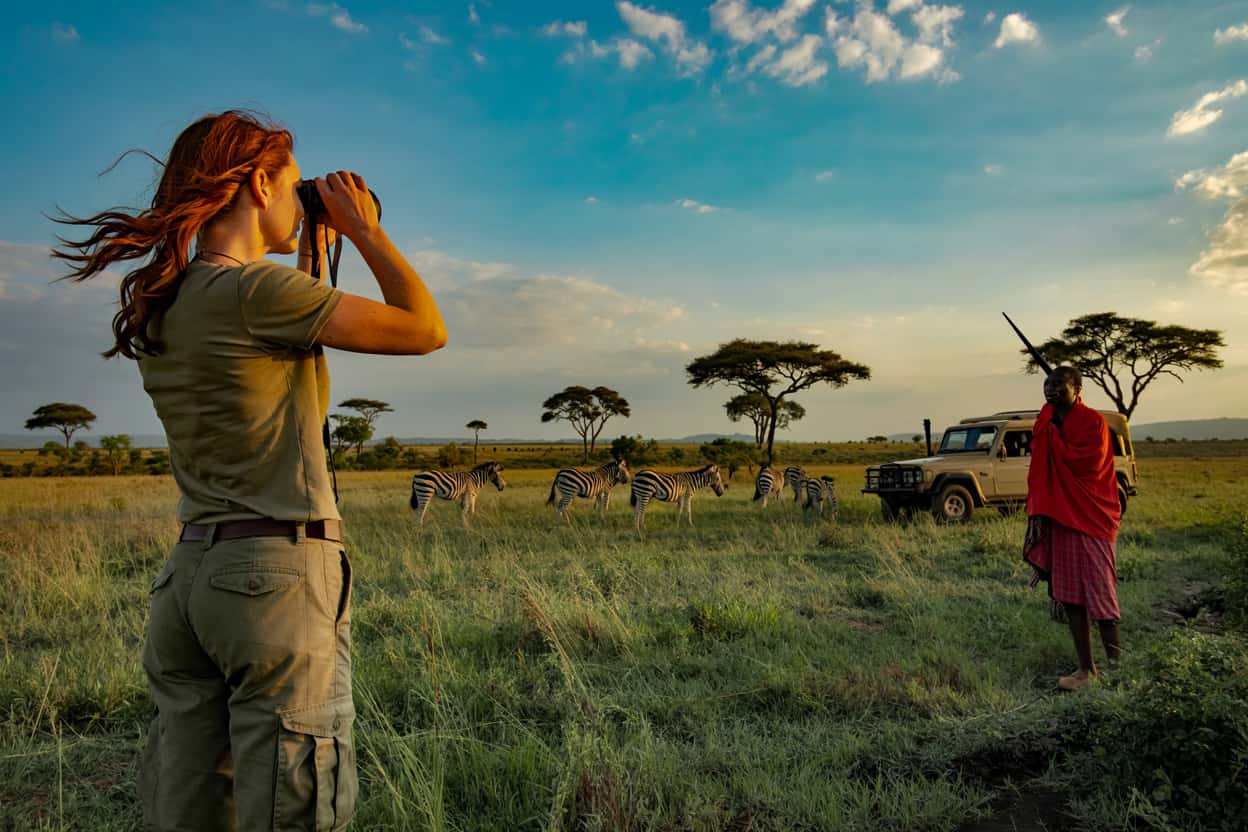
Camp dinners are communal, guides have time for the questions a couple won't ask, and you set the pace. The biggest practical hurdles are cost (the single supplement) and choosing operators who handle solo travelers thoughtfully.
This guide tackles both, plus safety, social fit, and how to maximise the experience.
Beating the single supplement
Most lodge rates are quoted "per person sharing". Travel alone and you'll often be charged 50–100% extra for the room. Some operators waive or reduce this — actively look for them rather than accepting the first quote.
- Look for shoulder-season specials — many camps drop the single supplement entirely outside peak
- Small group tours — a single supplement on group tours is usually 10–25%, not 100%
- Solo-friendly lodges — some camps have rooms designed for single travelers at sharing rates
- Loyalty programmes — Wilderness, Singita and others offer solo packages quietly
- Direct vs through an agent — sometimes agents have negotiated solo rates that don't appear publicly
Choosing the right operator
- Small camps (8–16 guests) — solo travelers integrate easily at communal dinners
- Camps with a host or manager — they make a real effort to include solo guests at meals
- Avoid camps that only do private dining — you'll feel isolated for a week
- Group safaris with set departure dates — instant social travel without the supplement
Safety as a solo traveler
On safari proper, you're never really alone — you're with a guide, in vehicles, in established camps. The riskier parts of solo travel are city transit and pre-/post-safari days.
- Pre-arrange airport transfers — never hail a taxi at Nairobi or Johannesburg arrivals
- Choose hotels in safer neighbourhoods, even if more expensive (Westlands in Nairobi, Sandton in Johannesburg)
- Share itineraries with one person at home; check in daily where signal allows
- Carry a small amount of USD cash for emergencies; main spend on a no-fee travel card
- Treat any unsolicited offer of help at borders or stations with healthy skepticism
Getting the most out of solo bush time
- Take the open seat at the back of the vehicle — best photos, fewer distractions
- Eat at the communal table when offered — that's where the trip's stories happen
- Carry a paperback for camp downtime; phone signal will be patchy at best
- Build a relationship with your guide — ask about their family, their training, the bush they grew up in
- Add 1–2 nights either side of the safari for decompression — solo bush time is intense