
Budget Travel Seasonal Guide
How to maximize value by traveling during shoulder and green seasons while still enjoying excellent experiences
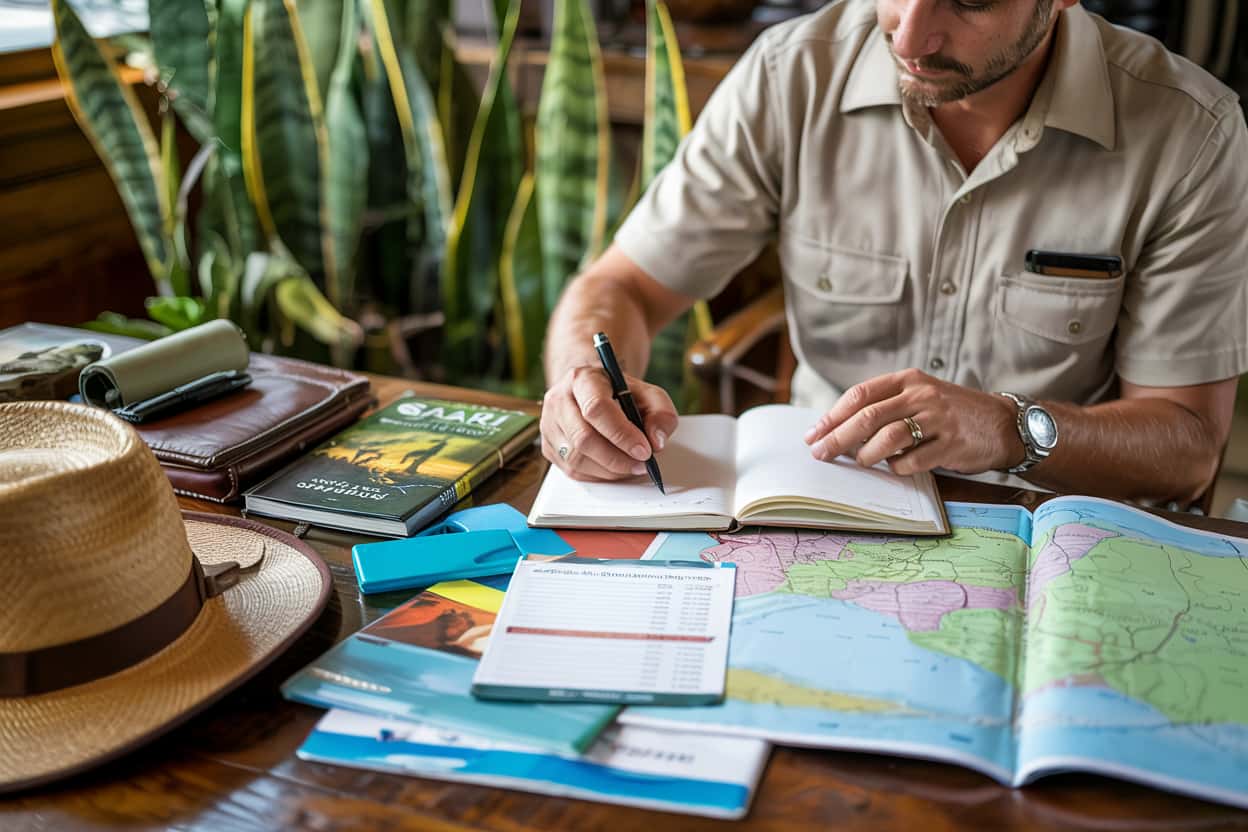
Affordable Safari Timing
Safari travel doesn't have to break the bank. By strategically timing your visit to coincide with shoulder seasons and green seasons, you can enjoy substantial discounts (often 30-50%) while still experiencing excellent wildlife viewing and fewer crowds.
Understanding Safari Seasons & Pricing
Safari pricing follows predictable seasonal patterns throughout Africa, with rates directly correlated to wildlife viewing conditions and traveler demand. By understanding these patterns, budget-conscious travelers can identify optimal periods that balance cost savings with quality experiences.
Peak Season
Cost level: Highest (100% rates)
June-October (East/Southern Africa)
- Premium pricing at all lodges
- Advanced booking essential (6-12 months)
- Best wildlife viewing conditions
- Comfortable weather and minimal rain
- Most crowded period
Shoulder Season
Cost level: Moderate (70-85% of peak)
November & April-May
- Good value with 15-30% discounts
- Transitional weather patterns
- Very good wildlife viewing
- Fewer tourists and better availability
- Photogenic landscapes (greener)
Green Season
Cost level: Lowest (50-70% of peak)
December-March (varies by region)
- Maximum savings (30-50% discounts)
- Lush landscapes and dramatic skies
- Birthing season for many species
- Excellent for bird watching
- Some weather disruptions possible
Best Value Safari Regions By Season
April-May: East Africa Green Season Value
The "long rains" period in Kenya and Tanzania offers exceptional value with lodge rates often discounted by 30-40%. While there is some rainfall (typically occurring as afternoon showers), many days remain clear and wildlife viewing can be excellent.
Wildlife highlights: Newborn animals, predator action, Serengeti/Masai Mara with fewer vehicles, lush landscapes ideal for photography.
Value maximizing tip: Choose lodges with all-weather access and covered game viewing vehicles. The Masai Mara offers particularly good value during this period, with the same wildlife but at substantially reduced rates.
Considerations: Some remote roads may become difficult to navigate. The crater rim at Ngorongoro can experience fog and mist. Plan for afternoon activities that can adapt to potential rain showers.
November: Southern Africa Shoulder Season
The start of the rainy season in Botswana, Zambia, and Zimbabwe creates a sweet spot for value. The first rains bring lush new growth, but wildlife remains concentrated around permanent water sources, and many migratory birds arrive.
Wildlife highlights: Excellent predator activity, elephants in Chobe and Hwange, beautiful landscapes transitioning from dry to green.
Value maximizing tip: Look for "shoulder season" special offers, which often include multiple-night discounts (stay 4, pay 3) or reduced rates of 20-30% off peak season prices.
Considerations: Temperatures can be quite hot before the rains fully establish. Rain events are typically brief but can be intense. Some facilities in very remote areas may close for maintenance.
January-March: Green Season Special Offers
The height of the green season across much of Southern Africa brings the most significant discounts. Safari operators are eager to maintain occupancy during this period, resulting in excellent promotions that often include value-adds beyond just rate reductions.
Wildlife highlights: Birthing season for many antelope species, abundant birdlife in breeding plumage, predator action around vulnerable young animals.
Value maximizing tip: Look for "green season specials" that may include:
- Significant rate reductions (up to 50% in some cases)
- Reduced or waived single supplements
- Complimentary activities or transfers
- "Stay longer" deals with free nights
- Photographer-focused packages with special amenities
Best regions: Botswana's Okavango Delta and Linyanti areas, Zambia's South Luangwa, Zimbabwe's Hwange and Mana Pools.
Year-Round Value Destinations
Some safari destinations offer excellent value throughout the year due to lower operating costs, less international demand, or emerging status on the safari circuit.
Uganda & Rwanda (Outside Gorilla Trekking)
While gorilla permits are expensive year-round, general wildlife safaris in Uganda's Queen Elizabeth and Murchison Falls National Parks offer excellent value compared to more established East African destinations.
Best value period: April-May and October-November
Malawi & Zambia
These destinations offer world-class wildlife experiences at lower price points than neighboring countries. Zambia, in particular, pioneered the walking safari, which provides exceptional experiences with lower operating costs.
Best value period: April-June and November
Budget Safari Planning Tips
Money-Saving Strategies
1. Mix Accommodation Types
Alternate between mid-range and luxury properties, or consider mixing lodges with mobile camping for a more economical yet authentic experience. Three nights in a good mobile tented camp can cost the same as one night in a luxury lodge.
2. Focus on Fewer Locations
Rather than moving frequently between camps (which increases transfer costs), stay longer in fewer locations. Many lodges offer reduced rates for stays of 3+ nights, and you'll have more opportunity to experience the area deeply.
3. Consider Group Departures
Small group safari departures (4-8 people) can reduce costs by 20-30% compared to private arrangements while still providing excellent guide attention and flexibility.
4. Book in Advance for Green Season
While green season offers lower rates, the best promotions are often available 9-12 months in advance. Last-minute green season deals exist but may limit your choice of accommodation.
5. Self-Drive Options
In destinations like South Africa, Namibia, and parts of Kenya and Tanzania, self-drive safaris can significantly reduce costs while adding flexibility. National parks like Kruger, Etosha, and Pilanesberg are well-suited to self-drive exploration.
Best Value Safari Itineraries
10-Day Southern Africa Green Season (January-March)
Victoria Falls (2 nights) → Chobe National Park (3 nights) → Okavango Delta (3 nights) → Maun (1 night)
Expect 30-40% discounts from peak season rates, with excellent bird watching, predator action, and dramatic skies for photography.
9-Day Kenya Shoulder Season (November)
Nairobi (1 night) → Amboseli National Park (2 nights) → Lake Nakuru (2 nights) → Masai Mara (3 nights) → Nairobi
The "short rains" period offers excellent value with 20-30% discounts, fewer visitors, and the arrival of migratory birds. The Mara remains excellent for big cats year-round.
12-Day South Africa Self-Drive Value Safari
Johannesburg → Kruger National Park (self-drive, 5 nights in rest camps) → Swaziland (2 nights) → St. Lucia/iSimangaliso Wetland Park (2 nights) → Drakensberg Mountains (2 nights) → Johannesburg
Self-driving and staying in national park accommodations rather than private reserves cuts costs by 60-70% while still providing excellent wildlife viewing.
Weather Considerations for Budget Travel
Budget travel often means visiting during transitional or wet seasons, which requires some additional planning:
Green Season Packing
- Waterproof rain jacket and ponchos
- Quick-dry clothing (avoid cotton)
- Extra shoes that can get wet
- Waterproof bags for electronics
- Insect repellent (mosquitoes increase during rainy seasons)
- Light layers (temperatures can fluctuate)
Activity Planning
- Schedule game drives for early morning (when rain is less likely)
- Have flexible afternoon plans that can adapt to weather
- Book lodges with covered vehicles and viewing areas
- Consider regions with all-weather roads
- Allow extra time for transfers during wet seasons
- Have indoor activities planned as back-ups
Final Budget Travel Tips
- Monitor exchange rates - Favorable currency fluctuations can create additional savings
- Consider local airlines - Regional carriers often have better rates than booking through international airlines
- Join mailing lists - Safari operators frequently send special offers to their email subscribers first
- Book activities locally - Some excursions are less expensive when booked at your destination
- Travel with a friend - Sharing accommodations eliminates single supplements, which can add 20-50% to the cost
- Bring essential supplies - Items like batteries, memory cards, and specialty medications cost much more in remote safari locations