
Photography Seasonal Guide
Best seasons for wildlife photography in different regions, considering light, landscapes, and animal behavior.
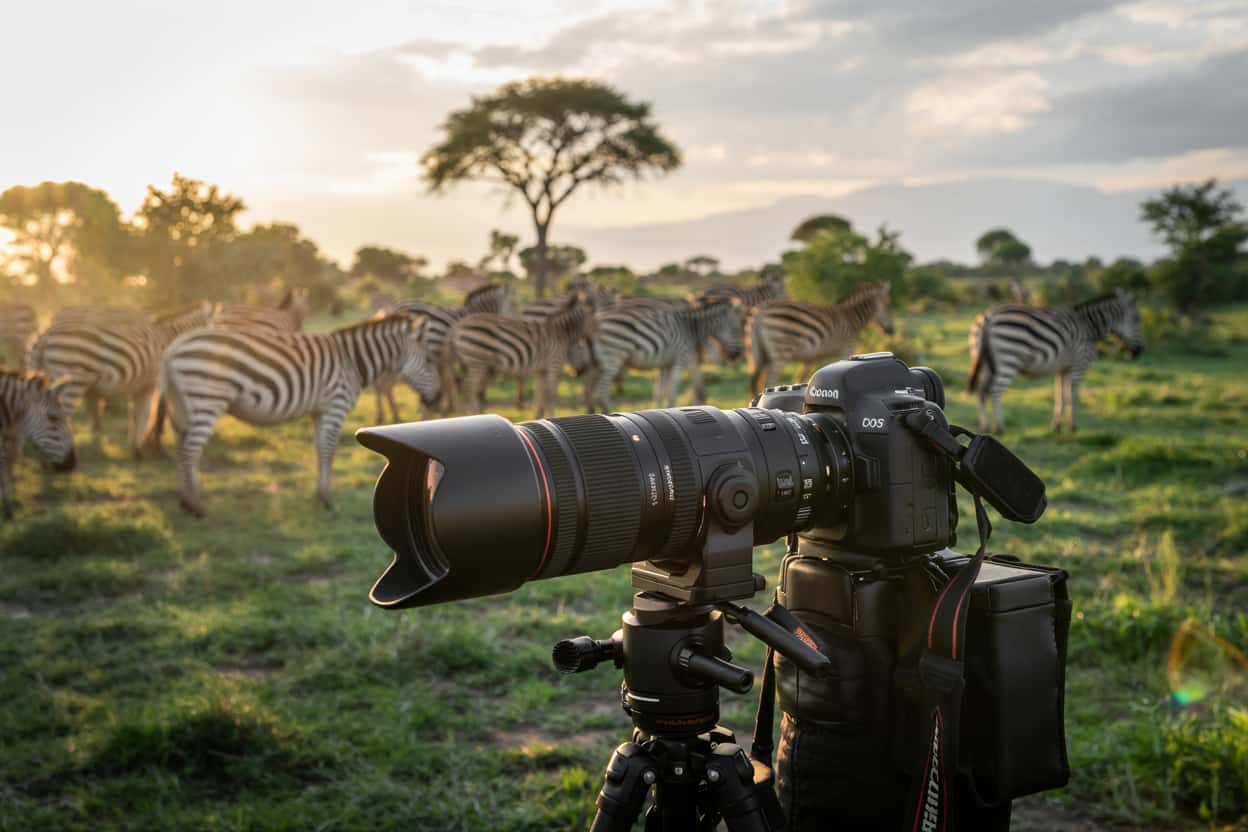
Capture Africa's Magic Through Your Lens
Each season brings distinct photographic opportunities across Africa's diverse ecosystems. Learn when and where to be for the perfect shot.
Understanding Safari Photography Seasons
The perfect wildlife photograph combines several elements: subject, behavior, light, and setting. African seasons dramatically affect all these components, making timing one of the most crucial factors for successful safari photography.
While professional photographers visit Africa year-round, each season offers unique advantages and challenges. This guide will help you plan your photography safari to capture the images you envision.
Dry Season Advantages
- •Sparse vegetation provides clearer wildlife sightings and unobstructed shots
- •Animals congregate around remaining water sources, creating concentration of subjects
- •Dusty conditions create dramatic sunrise and sunset light with rich golden hues
- •Better road access to remote areas allows reaching unique photography locations
- •Less chance of rain interfering with photography sessions
Green Season Advantages
- •Lush, vibrant landscapes create beautiful backdrops and context for wildlife
- •Dramatic skies with cloud formations add dimension to landscape photography
- •Birthing seasons provide opportunities to photograph newborn animals and maternal behavior
- •Migrant birds in breeding plumage offer spectacular bird photography
- •Fewer tourists means less crowded sightings and more exclusive photography opportunities
Regional Photography Guide
East Africa: Kenya & Tanzania

January-March
Calving Season & Short Dry Period
Perfect for photographing predator-prey interaction during wildebeest calving in Serengeti/Ndutu. Clear skies with occasional dramatic cloud formations.
Key Subjects: Newborn wildebeest calves, hunting predators, Ngorongoro Crater landscapes
Pro Tip: Use telephoto lenses (200-600mm) for calving action. Early morning light on the plains creates magical atmosphere.

April-June
Long Rains & Migration Start
Challenging but rewarding with lush, emerald landscapes. Wildebeest beginning their northward migration creates river crossing opportunities.
Key Subjects: Dramatic stormy skies, animals against green backdrops, Serengeti migration columns
Pro Tip: Bring rain protection for your gear. Overcast conditions provide even lighting for portraits without harsh shadows.

July-October
Dry Season & Mara Crossings
Prime photography season with river crossings in Masai Mara. Excellent light conditions with golden mornings and evenings.
Key Subjects: Mara River crossings, large predators, dust-filled landscapes at sunset
Pro Tip: Position at crossings with sun behind you. Capture action with fast shutter speeds (1/2000+) and continuous shooting.
Southern Africa: Botswana, Namibia & South Africa

November-March
Green Season & Summer Rains
Dramatic skies and lush landscapes in Okavango and Kruger. Excellent for wide-angle environmental shots showing animals in context.
Key Subjects: Newborn impala, dramatic thunderstorms, birds in breeding plumage
Pro Tip: Use polarizing filters to enhance sky drama and reduce glare. Early morning photography before storms build.

April-July
Transition & Early Dry Season
Okavango Delta floods begin, creating reflective water scenes. Clear air after rains offers exceptional visibility.
Key Subjects: Water reflections, elephants crossing channels, leopards in clear visibility
Pro Tip: Shoot low angles at water level for dramatic reflections. Early morning mists create atmospheric images.

August-October
Peak Dry Season
Ultimate wildlife concentration around water in Etosha, Chobe, and Kruger. Stark landscapes create dramatic contrast.
Key Subjects: Large elephant herds at waterholes, predators at concentrated prey, dust-filled light
Pro Tip: Shoot during golden hour for rim lighting on animals. Capture silhouettes against colorful sunset skies.
Specialized Photography Opportunities

Night & Astro Photography
May-September (Dry Season)
Best Locations: Namibia (NamibRand), Botswana (Makgadikgadi), South Africa (Karoo)
Clear, dark skies during dry season offer spectacular Milky Way and star photography opportunities.
Pro Tip: Use fast wide-angle lenses (f/2.8 or faster) and sturdy tripods. Best during new moon phases.

Gorilla Photography
December-February and June-September (Dry Periods)
Best Locations: Uganda (Bwindi), Rwanda (Volcanoes NP)
Dry periods offer better trekking conditions and more reliable photography opportunities with mountain gorillas.
Pro Tip: Use high ISO capabilities (1600-6400) for forest conditions. A 70-200mm lens is ideal for balance of reach and light gathering.

Desert Landscapes
March-May and September-November
Best Locations: Namibia (Sossusvlei, Deadvlei), Morocco (Sahara)
Transition seasons offer dramatic cloud formations while maintaining desert clarity. Comfortable temperatures for long shoots.
Pro Tip: Use graduated ND filters for balancing bright skies with shadowed dunes. Dawn and dusk provide best side-lighting on dune ridges.

Underwater & Marine
July-November for Whale Sharks, November-March for Sardine Run
Best Locations: South Africa (Wild Coast), Mozambique (Tofo), Tanzania (Mafia Island)
Seasonal marine phenomena create extraordinary underwater photography opportunities.
Pro Tip: Use dome ports for split-level shots. Wide-angle lenses (16-35mm equivalent) capture large marine subjects in context.
Safari Photography Tips by Season
Dry Season Photography
- •Dust Protection: Bring multiple cameras rather than changing lenses in the field. Use dust covers and sensor cleaning kits.
- •High Contrast Handling: Use graduated ND filters or HDR techniques to handle bright skies and shadowed subjects.
- •Golden Light Timing: Plan for shorter, more intense golden hours. Position yourself with subjects between you and the sun for rim lighting.
- •Water Sources: Research and position at waterholes or rivers early. Most activity happens in early morning and late afternoon.
- •Heat Haze: Be aware of heat distortion affecting image sharpness during midday. Focus on close subjects or switch to landscape/detail work.
Green Season Photography
- •Rain Protection: Invest in proper rain covers for cameras and lenses. Bring silica gel packs to prevent fungus in humid conditions.
- •Lighting Techniques: Use fill flash or reflectors to illuminate subjects in even, overcast conditions.
- •Composition: Incorporate lush backgrounds and flowering plants to tell the "green season story" in your images.
- •After-Rain Opportunities: Be ready immediately after rain stops for extraordinary light and wildlife activity.
- •Macro Photography: Take advantage of insects, small reptiles, and flowering plants for close-up work when large mammals are dispersed.
Essential Equipment by Season
Dry Season Must-Haves
- •Dust-resistant camera bodies
- •Telephoto lens (200-600mm range)
- •Polarizing filter for reducing glare
- •Extender/teleconverter for extra reach
- •Lens cleaning kit with blower
- •Graduated ND filters
Green Season Must-Haves
- •Weather-sealed camera bodies
- •Fast zoom lens (f/2.8 or faster)
- •Rain covers for equipment
- •Macro lens for small subjects
- •External flash with diffuser
- •Extra batteries (more shooting in cool weather)
Plan Your Photography Safari
Let our safari specialists and professional wildlife photographers help you plan the perfect photography safari tailored to your desired subjects and optimal seasons. Whether you're a beginner or professional, we'll ensure you're in the right place at the right time.