
South Africa Safari Seasonal Guide
Month-by-month guide to South Africa's diverse safari regions, including Kruger and private reserves
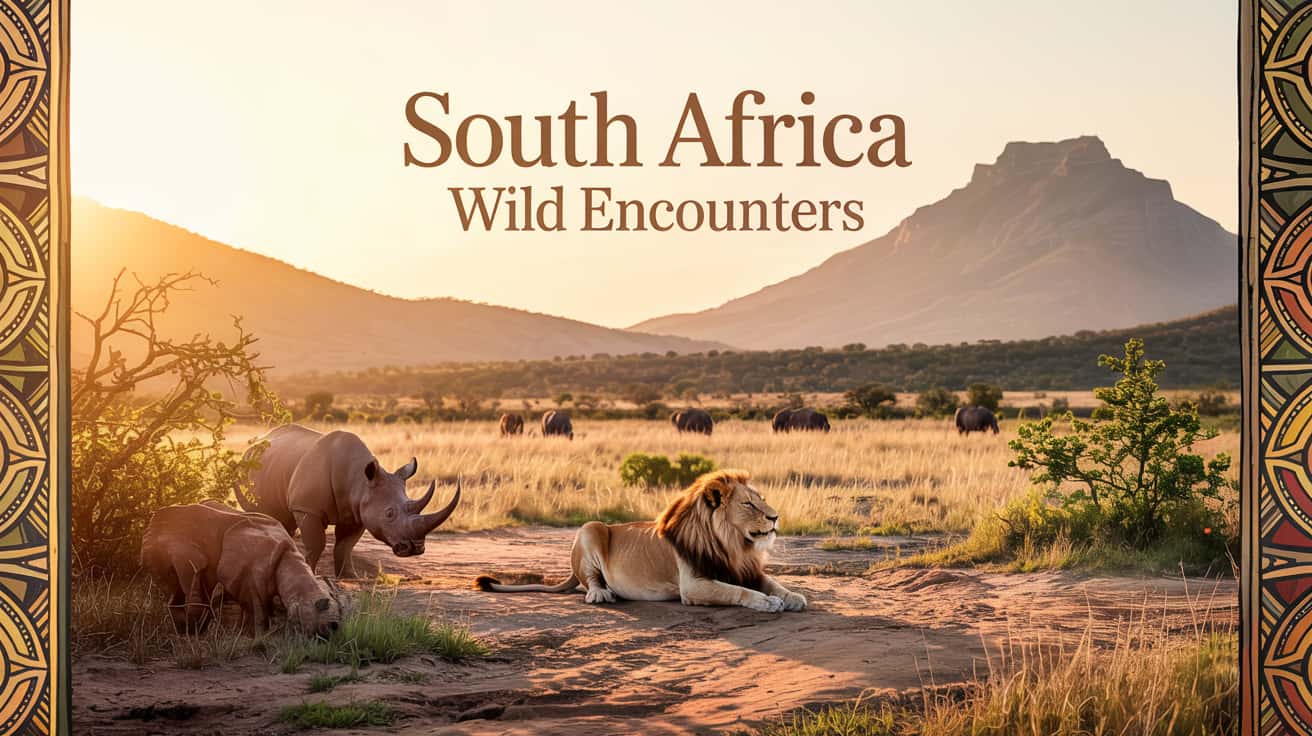
When to Visit South Africa
South Africa offers excellent safari experiences year-round, with each season providing unique advantages. The dry winter months (May-September) provide optimal wildlife viewing in savanna regions, while the green summer season (October-April) offers lush landscapes, newborn animals, and excellent bird watching.
South Africa's Safari Seasons Overview
South Africa's diverse geography creates distinct safari experiences across its various regions. From the iconic Kruger National Park in the northeast to the arid Kgalagadi in the northwest, and from malaria-free reserves in the North West Province to coastal wildlife viewing in the south, understanding seasonal patterns is key to planning the perfect safari.
Dry Season (May-September)
- Wildlife concentrates around water sources
- Excellent visibility with sparse vegetation
- Cooler temperatures, especially mornings/evenings
- Minimal rain and generally cloudless skies
- Peak Kruger National Park season
- Lower risk of malaria in northeastern regions
- Ideal for first-time safari-goers
- Whale watching season along southern coast
Green Season (October-April)
- Lush, vibrant landscapes and dramatic skies
- Birthing season with numerous newborn animals
- Abundant migratory birds and year-round species in breeding plumage
- Afternoon thunderstorms but generally sunny mornings
- Warmer temperatures with higher humidity
- Less crowded parks and better rates (except holidays)
- Excellent photography with dramatic lighting
- Summer wildflowers in Northern and Western Cape
Month-by-Month South Africa Safari Guide
January & February
Weather: Hot and humid in the northeast (Kruger region), with average temperatures of 25-32°C (77-90°F). Afternoon thunderstorms common. Mild and pleasant in the Western Cape.
Wildlife viewing: Lush vegetation makes wildlife spotting more challenging, but predator activity high due to vulnerable newborns. Excellent bird watching with migratory species present.
Best regions: Private reserves with off-road driving privileges, malaria-free reserves in North West Province, Addo Elephant National Park
Special events: Calving season for many antelope species, peak butterfly and insect activity, excellent reptile sightings
Visitor experience: High season for domestic tourists until mid-January. Better availability thereafter. Higher risk of malaria in northeastern regions.
March & April
Weather: Temperatures begin to moderate, 20-28°C (68-82°F) with decreasing rainfall. Humidity lowers, and mornings and evenings become cooler.
Wildlife viewing: Vegetation starts thinning out, improving wildlife visibility. Many young animals reaching independence. Predator action remains high.
Best regions: Kruger National Park, Hluhluwe-iMfolozi in KwaZulu-Natal, Pilanesberg National Park
Special events: Impala rutting season (April), migrant birds begin departing, autumn colors in some regions
Visitor experience: Excellent shoulder season with lower visitor numbers (except Easter holidays). Better rates and availability.
May & June
Weather: Beginning of dry season. Cooler temperatures 15-25°C (59-77°F), with cold mornings and evenings. Minimal rainfall and low humidity.
Wildlife viewing: Improving dramatically as vegetation thins out. Animals begin concentrating around permanent water sources. Excellent predator sightings.
Best regions: Kruger National Park, Sabi Sands and other private reserves, Madikwe Game Reserve
Special events: Southern right whales begin arriving along the southern coast (June), excellent night sky viewing with clearer air
Visitor experience: Beginning of peak safari season with increasing international visitors. Excellent value in May before high season rates.
July & August
Weather: Peak dry season. Cold mornings and evenings (5-10°C/41-50°F) with mild, sunny days (20-25°C/68-77°F). Virtually no rainfall.
Wildlife viewing: Prime wildlife viewing conditions. Water sources limited, leading to concentrated animal gatherings. Excellent predator-prey interaction.
Best regions: All major parks and reserves, especially waterholes in Kruger National Park and Kgalagadi Transfrontier Park
Special events: Peak whale watching along the Western Cape coast, wildflower blooms begin in the Western Cape and Northern Cape
Visitor experience: Peak international tourism season with highest visitor numbers. Advance booking essential, especially for popular lodges.
September & October
Weather: Beginning of transition period. Warming up with temperatures 20-30°C (68-86°F). Still dry in September with first rains possible in October.
Wildlife viewing: Excellent conditions continue through September. October brings dramatic sightings as animals congregate around dwindling water before the rains.
Best regions: Kruger and surrounds, Pilanesberg, Madikwe, West Coast National Park (for spring flowers in September)
Special events: Peak wildflower season in Northern and Western Cape (September), return of migratory birds (October), first newborns appear
Visitor experience: September remains high season, while October is an excellent transition month as crowds diminish but wildlife viewing remains excellent.
November & December
Weather: Rainy season begins in earnest. Hot and often humid, 25-35°C (77-95°F) with afternoon thunderstorms. Dramatic cloud formations.
Wildlife viewing: Landscapes transform as rain arrives. Many herbivores give birth, attracting predators. Excellent bird watching as migratory species are fully present.
Best regions: Private reserves with off-road capabilities, Kgalagadi (still relatively dry), Addo Elephant National Park
Special events: Peak birthing season for many antelope species, spectacular thunderstorms, vibrant bird life
Visitor experience: Early December offers good value before holiday rates apply. Mid-December through early January sees peak domestic tourism and higher rates.
South Africa's Key Safari Regions by Season
Kruger National Park & Private Reserves
South Africa's flagship wildlife destination with exceptional Big Five viewing. Private reserves like Sabi Sands, Timbavati, and Manyeleti offer off-road driving and walking safaris, providing more flexibility during green season.
Malaria-Free Reserves
Perfect for families and those concerned about malaria medication. These reserves offer excellent Big Five viewing without malaria risk. The North West Province reserves (Madikwe, Pilanesberg) follow traditional dry/wet season patterns, while Eastern Cape reserves have more moderate seasonal variations.
Kgalagadi Transfrontier Park
This semi-desert park spanning South Africa and Botswana offers dramatic predator action, especially along the fossil river valleys. Famous for black-maned lions, cheetahs, and raptors. Extreme temperatures make transition seasons most comfortable.
Coastal Wildlife Viewing
South Africa's coastline offers exceptional marine wildlife viewing. Hermanus and the Western Cape coast are famous for whale watching, while the annual sardine run along the east coast creates a feeding frenzy involving dolphins, sharks, and seabirds.
South Africa Safari Planning Tips
Combining Wildlife Regions
South Africa's excellent infrastructure makes combining different wildlife regions relatively easy:
- Classic combination: Kruger/private reserves with Cape Town and the Garden Route (year-round)
- Whale and wildlife: Kruger safari with Hermanus whale watching (August-October)
- Flowers and Kalahari: Northern Cape wildflowers and Kgalagadi predators (August-September)
- Family-friendly: Malaria-free Eastern Cape reserves combined with Garden Route (year-round)
- Marine Big Five and terrestrial Big Five: Gansbaai marine tours with Kruger safari (May-September)
What to Pack by Season
Dry Season (May-September)
- Warm layers for morning/evening game drives
- Beanie/hat and gloves for winter mornings
- Jacket or warm fleece
- Sunscreen and sunglasses (still sunny days)
- Neutral-colored clothing (khaki, olive, brown)
- Camera with zoom lens (best visibility season)
Green Season (October-April)
- Lightweight, breathable clothing
- Rain jacket or poncho
- Insect repellent with DEET
- Wide-brimmed hat and high SPF sunscreen
- Quick-dry fabrics
- Antimalarial medication (northeastern regions)
Booking Recommendations
- Peak Season (Jul-Sep): Book premium lodges 9-12 months in advance, National Park accommodations 11 months ahead when bookings open
- Shoulder Seasons (May-Jun, Oct): Book 4-6 months in advance, with greater lodge availability
- Green Season (Nov-Apr): Book 2-4 months in advance, except for December holidays which require 6+ months advance booking
- Self-drive Kruger: Book accommodation 11 months in advance when SANParks opens bookings, regardless of season