
West Africa Seasonal Guide
Best times for wildlife viewing and cultural experiences in Ghana, Senegal, and other West African destinations
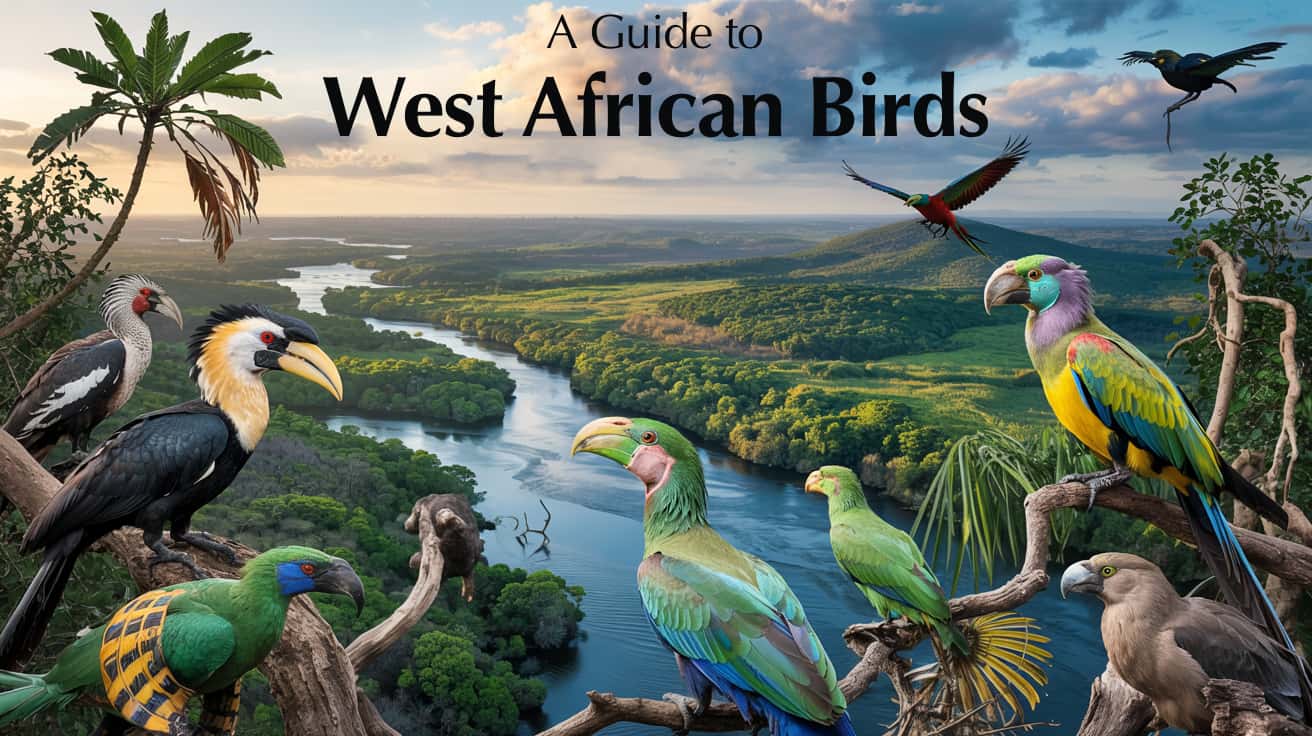
When to Visit West Africa
West Africa offers exceptional wildlife and cultural experiences, with distinct advantages in each season. The dry season (November-April) provides optimal wildlife viewing with clear skies and minimal rainfall, while the green season (May-October) offers lush landscapes, fewer tourists, and unique natural phenomena.
West Africa Safari Seasons Overview
West Africa's diverse ecosystems—from the coastal mangroves of Senegal to the savanna woodlands of Ghana and the pristine forests of Ivory Coast—offer unique safari experiences that differ considerably from those in Eastern and Southern Africa. While less visited by traditional safari-goers, West Africa rewards travelers with exceptional bird watching, primate encounters, and authentic cultural experiences in less-frequented national parks and reserves.
Dry Season (November-April)
- Optimal wildlife viewing with animals concentrated around water sources
- Excellent visibility with sparse vegetation
- Clear skies with minimal rainfall
- Migratory birds present in coastal areas
- Cooler temperatures, especially December-January
- Lower humidity and minimal mosquitoes
- Better road conditions for accessing remote parks
- Peak season for most wildlife destinations
Green Season (May-October)
- Lush, vibrant landscapes with dramatic lighting
- Fewer tourists and more exclusive experiences
- Lower rates for accommodations
- Breeding season for many bird species
- Flowering plants and fruiting trees attract diverse wildlife
- Cultural festivals and traditional ceremonies
- Higher humidity and temperatures
- Some areas may have limited accessibility due to road conditions
Month-by-Month West Africa Guide
November to January
Weather: Beginning of the dry season with cooling temperatures. Daytime temperatures range from 25-32°C (77-90°F) with cooler evenings, especially in inland areas. The Harmattan wind brings dry, dusty conditions from December onwards, particularly in the Sahel regions.
Wildlife viewing: Excellent conditions as vegetation thins and wildlife concentrates around water sources. Peak birding season in coastal areas like Senegal and Gambia with numerous migratory species arriving from Europe.
Best regions: Mole National Park (Ghana), Sine-Saloum Delta (Senegal), River Gambia National Park, Pendjari National Park (Benin)
Special events: Arrival of migratory birds to coastal wetlands, traditional harvest festivals in rural communities
Visitor experience: Peak tourist season, especially during December holidays. Advance booking recommended for popular lodges. Excellent photography conditions with clear air (except during heavy Harmattan periods).
February to April
Weather: Heart of the dry season. Temperatures gradually increasing, reaching 30-38°C (86-100°F) by April. Low humidity and minimal rainfall. Harmattan winds diminish by late February in coastal areas but may persist inland.
Wildlife viewing: Prime game viewing continues with maximum visibility through sparse vegetation. Animals increasingly concentrate around permanent water sources. Many migratory birds begin departing by April.
Best regions: Comoé National Park (Ivory Coast), Kiang West National Park (Gambia), Mole National Park (Ghana), W National Park (Niger)
Special events: Traditional mask festivals, hippo gatherings at shrinking water bodies, excellent elephant viewing in Mole National Park
Visitor experience: High season continues through February, transitioning to shoulder season by April. Increasingly hot conditions, especially inland, with afternoon activities often curtailed due to heat.
May to July
Weather: Transition to rainy season. Initially hot with increasing humidity, followed by cooling rainfall patterns. Coastal regions typically receive rain earlier than inland areas. Temperatures range from 25-33°C (77-91°F) with high humidity.
Wildlife viewing: Changing conditions as early rains stimulate new growth. Animals begin dispersing as water becomes more widely available. Excellent for forest primates as fruiting trees become productive.
Best regions: Kakum National Park (Ghana), Taï National Park (Ivory Coast), Boabeng-Fiema Monkey Sanctuary (Ghana)
Special events: Breeding season for many birds with vibrant plumage, amphibian emergence, increased primate activity around fruiting trees
Visitor experience: Low season with significantly reduced tourist numbers. Better availability and rates at lodges. Some roads may become difficult to navigate as rains intensify, particularly in more remote areas.
August to October
Weather: Peak of the rainy season, particularly in coastal areas. High humidity with regular rainfall, often in dramatic afternoon thunderstorms. Temperatures moderate at 24-30°C (75-86°F) but with high humidity.
Wildlife viewing: Lush landscapes with dispersed wildlife. More challenging game viewing in savanna regions, but excellent for forest species. Numerous insects, amphibians, and reptiles active.
Best regions: Gola Rainforest National Park (Sierra Leone), Ankasa Conservation Area (Ghana), coastal regions for marine life
Special events: Turtle nesting season along coastal areas, maximum forest productivity with numerous plant species flowering and fruiting
Visitor experience: Continued low season with fewest visitors. Some lodges may close for renovations or offer limited services. Dramatic lighting conditions for photography. Some areas may be inaccessible due to flooded roads.
Key West African Safari Regions by Season
Ghana's Northern Parks
Mole National Park offers Ghana's premier safari experience with elephants, buffalo, kob, waterbuck, and baboons. Walking safaris are a highlight, with experienced rangers leading guided treks to encounter wildlife up close.
Coastal Wetlands & Mangroves
West Africa's coastal wetlands host impressive concentrations of wading birds, including flamingos, pelicans, herons, and numerous migratory species. The Sine-Saloum Delta in Senegal is particularly renowned for its biodiversity and traditional fishing communities.
Rainforest Regions
West Africa's rainforests harbor exceptional biodiversity, including chimpanzees, forest elephants, and numerous primate species. Kakum National Park in Ghana is famous for its canopy walkway, while Taï National Park in Ivory Coast offers pristine habitat for endangered western chimpanzees.
The Gambia River Basin
River cruises along the Gambia River offer exceptional wildlife viewing opportunities with minimal exertion. Baboon Island (part of River Gambia National Park) is home to the Chimpanzee Rehabilitation Project, where orphaned chimps have been successfully reintroduced to the wild.
Planning Your West Africa Safari
Practical Considerations
When planning a West African safari, several practical considerations are important:
- Health precautions: Yellow fever vaccination is mandatory for entry to most West African countries. Malaria prophylaxis is strongly recommended year-round.
- Visa requirements: Most West African countries require visas, which should be arranged well in advance of travel.
- Transportation: Internal flights are limited in many countries, making road transfers necessary. Allow extra time during green season when road conditions may deteriorate.
- Accommodation: Wildlife tourism infrastructure is less developed than in Eastern or Southern Africa, with fewer luxury options but more authentic experiences.
- Guides: Local expertise is essential for wildlife spotting. Arrange qualified guides in advance, especially for specialized interests like birding or primate viewing.
Note: Political situations can change quickly in some West African countries. Always check current travel advisories before planning your trip.
What to Pack by Season
Dry Season (November-April)
- Lightweight, breathable clothing in neutral colors
- Long-sleeved shirts and trousers for sun protection
- Light sweater or jacket for cool evenings (Dec-Jan)
- Wide-brimmed hat and high SPF sunscreen
- Dust protection (bandana/buff) during Harmattan
- Comfortable walking shoes or lightweight hiking boots
Green Season (May-October)
- Quick-dry clothing and extra changes
- Lightweight rain jacket or poncho
- Waterproof bag for electronics
- Insect repellent with high DEET concentration
- Moisture-wicking fabrics
- Waterproof footwear for muddy conditions
Year-round essentials include good binoculars (essential for birding), a camera with telephoto lens, personal medications, and a reusable water bottle.
Recommended Safari Combinations
12-Day Ghana Wildlife & Culture (Dry Season)
Accra → Kakum National Park for canopy walkway and forest wildlife (2 nights) → Ankasa Conservation Area (2 nights) → Boabeng-Fiema Monkey Sanctuary (1 night) → Mole National Park for elephants and walking safaris (3 nights) → Wechiau Community Hippo Sanctuary (1 night) → Cultural experiences in Kumasi (2 nights) → Accra
10-Day Senegal & Gambia Birding (November-February)
Dakar → Sine-Saloum Delta for coastal birds (3 nights) → Djoudj National Bird Sanctuary (2 nights) → Gambia River cruise (3 nights) → Banjul with visits to nearby reserves (1 night)
14-Day West Africa Biodiversity (Transition Season - April/May)
Abidjan → Taï National Park for chimpanzees (3 nights) → Banco National Park (1 night) → Accra → Shai Hills Resource Reserve (1 night) → Kakum National Park (2 nights) → Mole National Park (3 nights) → Wli Waterfalls and surrounding forests (2 nights) → Accra