
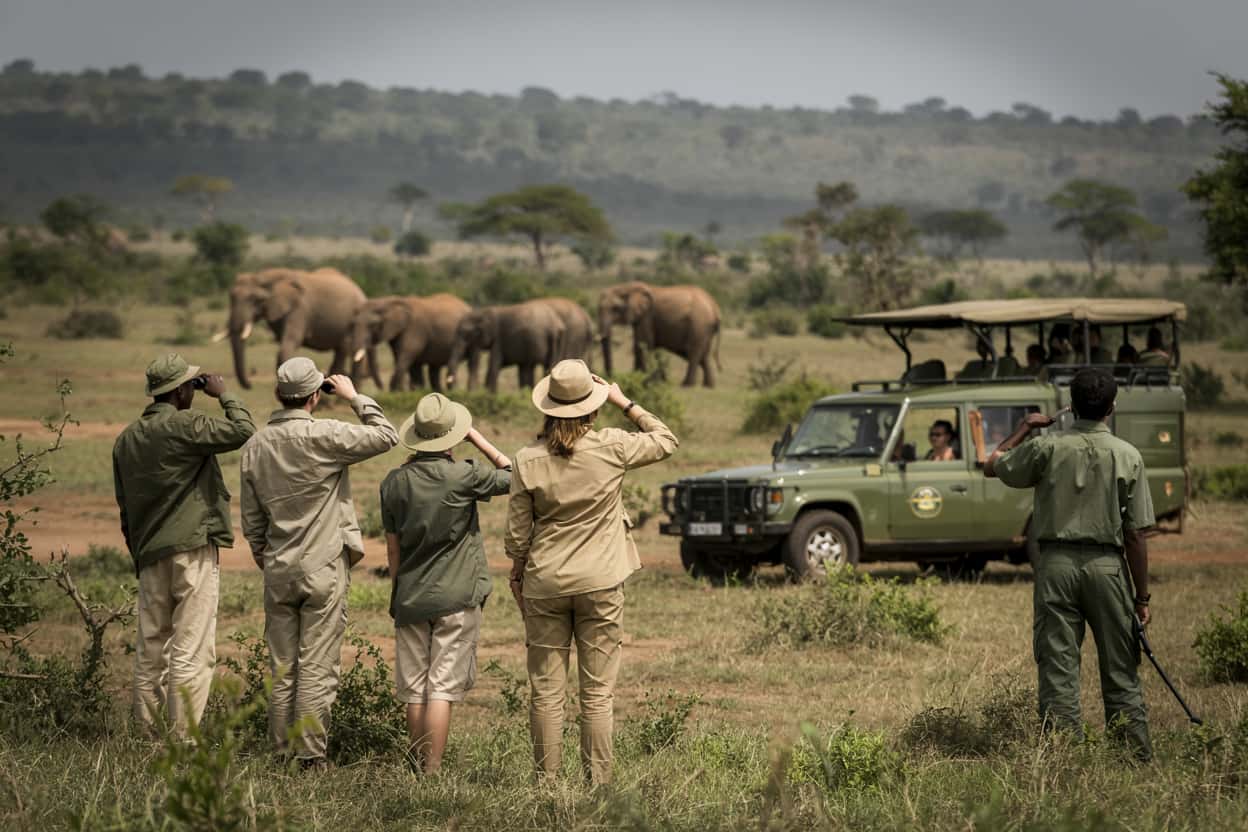
Africa's protected areas need an estimated $1–2 billion a year more than they currently receive to function effectively. The gap is filled — partially — by a patchwork of tourism revenue, international philanthropy, government allocations, NGO grants and a small number of innovative finance instruments.
This guide explains how the money actually flows and where it falls short.
The funding mix today
- Tourism — the largest single source for many parks; collapsed during COVID
- Government allocations — small as a share of GDP in most range states; high political volatility
- International donors — bilateral aid, EU, USAID, GEF, KfW
- Conservation NGOs — African Parks, AWF, FZS, WWF, WCS, TNC, etc.
- Philanthropy — high-net-worth individuals and foundations, increasing rapidly
- Newer instruments — wildlife conservation bonds, biodiversity offsets, REDD+ carbon credits
What tourism revenue actually does
In well-managed reserves, tourism revenue covers the bulk of operational costs — ranger salaries, vehicle fuel, fence maintenance, community benefit-sharing. In less-visited reserves, it covers a fraction. The gap is what donor and philanthropic capital tries to bridge.
- Park entry fees — direct income for the wildlife authority
- Concession fees from lodges — revenue tied to land use
- Bednight or community levies — explicit benefit-sharing with local people
- Permits (gorilla, chimp, big-game) — high-value, low-volume revenue
- Indirect income — VAT, employment taxes, supplier income flowing into the regional economy
The funding gap
- Less than 25% of Africa's protected areas have funding sufficient for basic management
- Ranger salaries across the region average $200–$400/month — high attrition, dangerous work
- Equipment, vehicles and infrastructure are systematically under-funded
- Newly created reserves often launch without operational budgets at all
Innovations to watch
- Rhino impact bonds — pay-for-success financing tied to population growth
- Blue economy bonds for marine protected areas
- Carbon and biodiversity credits from large landscape projects
- Public-private park management partnerships (African Parks model)
- Insurance-linked weather and disaster policies for community wildlife funds
What travelers can do beyond the trip
- Donate directly to vetted operators or NGOs — small recurring amounts compound
- Choose lodges and operators with transparent benefit-sharing data
- Buy carbon offsets through accredited African projects, not generic global schemes
- Advocate at home — most travelers underestimate how political donor funding is