
Sustainable tourism is often used interchangeably with eco-tourism, responsible tourism, regenerative tourism — terms that mean different things to different practitioners. The substance behind the words is a three-pillar model: trips that are economically beneficial to host communities, environmentally low-impact, and culturally respectful, simultaneously and verifiably.
This guide explains what to expect, what to ask for, and where the model still falls short.
The three pillars in practice
A genuinely sustainable safari experience can show evidence on all three pillars. If only one or two hold up, you have a partial — but not complete — operation.
- Economic — local employment, local procurement, transparent benefit-sharing, fair wages
- Environmental — energy and water management, low-impact infrastructure, waste reduction, climate accountability
- Social — cultural respect, community decision-making, support for local institutions like schools and clinics
What economic sustainability looks like
- 70%+ of staff drawn from neighbouring communities, including senior roles
- Local procurement of food and supplies, not flown in from Europe or South Africa
- Public benefit-sharing data: $X per bednight to the conservancy fund
- Career development and succession plans — not just entry-level service jobs
- Crisis-time commitments: many top operators kept paying staff through COVID closures
What environmental sustainability looks like
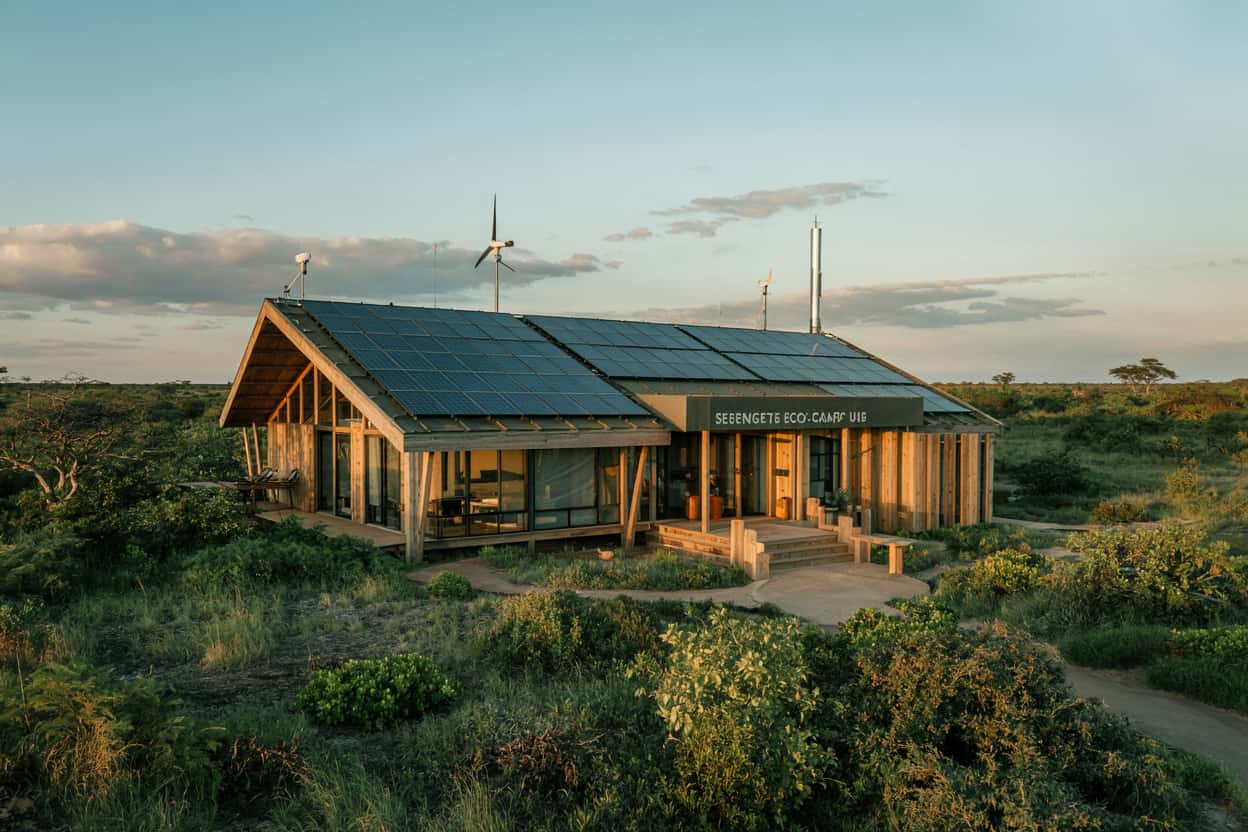
- Solar primary, generator backup — not the other way around
- Greywater recycling for landscaping; rainwater harvesting where viable
- No single-use plastics in guest-facing areas
- Locally-built tented infrastructure, low-footprint, reversible
- Carbon accounting for camp + flights, with offsetting via accredited African projects
- Fire and vegetation management within scientific guidelines, not aesthetic preferences
What social sustainability looks like
- Cultural visits run by the community itself, not booked through a third party
- School and clinic partnerships disclosed publicly — not used for marketing photos only
- Local cuisine, music, art and language present in the experience without being performed for tourists
- Land rights and access negotiations open to public scrutiny
- Respect for community decision-making about wildlife and tourism
Certifications worth checking
- The Long Run — leading global standard for nature-based tourism, 4Cs framework
- Fair Trade Tourism — Southern African certification, focus on labour standards
- B Corporation — broad governance and sustainability certification
- GSTC criteria — global framework adopted by many national bodies
- Long-term independent reviews on platforms with stable methodologies (Mr & Mrs Smith, Beyond Green)
Where the model falls short
- International flights remain the biggest emissions component of any safari, hard to fix
- Carbon offsetting is highly variable in quality — many projects don't deliver claimed benefits
- 'Sustainability' often defaults to environmental metrics, neglecting social and economic
- Greenwashing is rampant; genuine certification is still relatively rare
- The economics of low-volume / high-value tourism don't scale to all reserves