
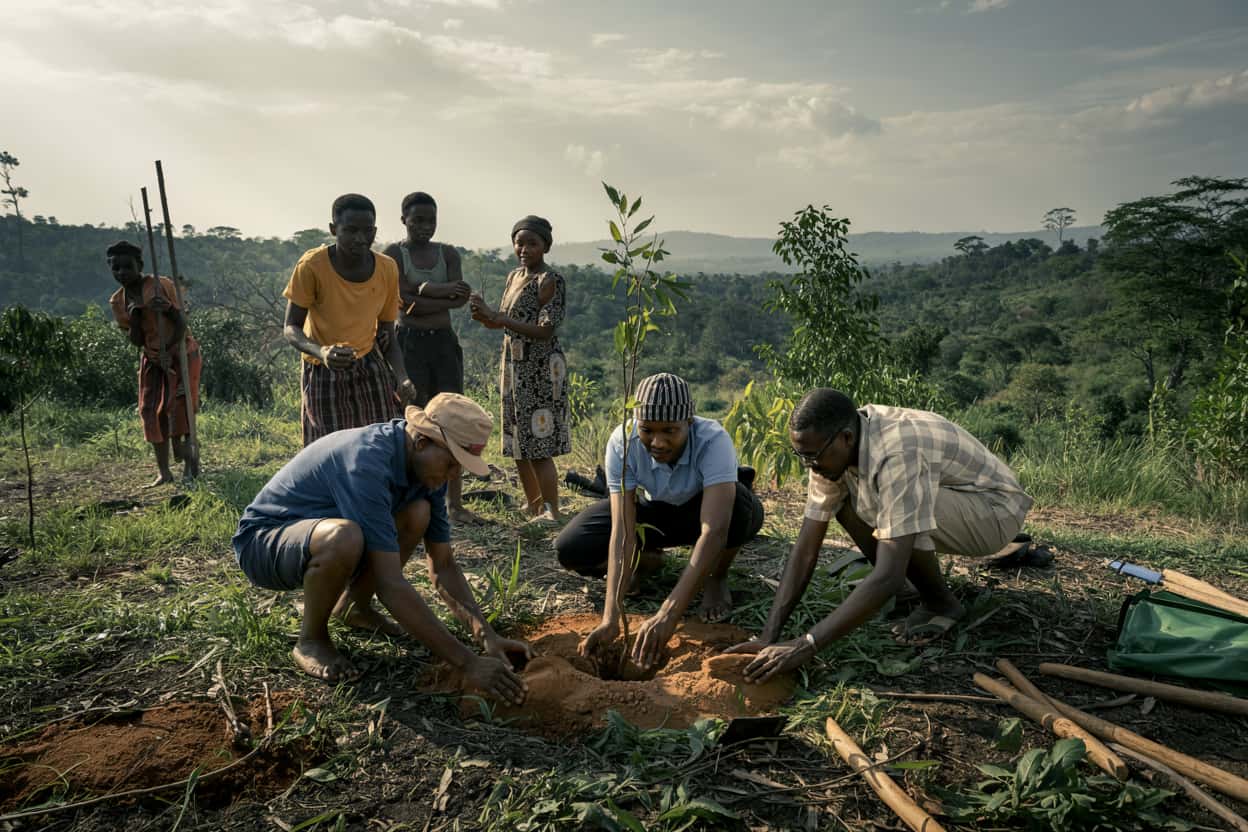
Safari travel has historically treated local cultures as a backdrop or a costumed photo op. The shift over the past two decades — toward community-led cultural experiences, language and knowledge preservation programmes, and a far more honest portrayal of contemporary African life — is one of the most important changes in the industry.
This guide covers what's at stake, what's working, and how to choose cultural experiences well.
Why this matters for conservation
- Indigenous knowledge of landscape, plants and wildlife is irreplaceable scientific data
- Communities that retain cultural identity and economic agency are the most effective conservation partners
- Loss of language is loss of ecological knowledge — many plant and animal names exist in no other system
- Wildlife policy without cultural input fails repeatedly; wildlife policy that incorporates it succeeds
Cultures most often encountered on safari
- Maasai (Kenya, Tanzania) — pastoralist, deeply involved in conservancy models
- San / Bushmen (Botswana, Namibia) — among the world's oldest cultures, severe historical injustice
- Samburu, Turkana, Pokot (northern Kenya) — pastoralists with growing community-conservancy roles
- Himba (Namibia) — semi-nomadic, often misrepresented in tourism
- Hadzabe (Tanzania, around Lake Eyasi) — one of the last hunter-gatherer societies
- Berber and Saharawi (North Africa) — historically nomadic, complex modern realities
What good cultural experiences look like
- Hosts decide what to share — visits go where they take you, not a fixed script
- Direct payment to community institutions, with disclosed benefit allocation
- Long-form engagement (half-day or longer) — not 20 minutes between game drives
- Activities that match daily life — herding, walking, cooking, story-telling — not staged events
- Photography permission asked individually, not assumed
- Honest discussion of contemporary issues alongside traditional practice
Active cultural preservation projects
- Maasai language and oral history archives — recording elders' knowledge
- San tracking academies in Botswana — training rangers in indigenous tracking science
- Community museums and visitor centres run by cultural associations themselves
- Indigenous-led tourism cooperatives that retain decision-making and revenue
How to engage well as a visitor
- Learn ten words of the local language — it goes a long way
- Read one book on the culture before you arrive (recommendations vary; ask your operator)
- Buy crafts directly from makers, not at airport gift shops
- Tip cultural guides separately and visibly
- Don't photograph children without parental permission — apply your own standards